First Robotic-Assisted Surgeries with the RoboticScope in Africa

A new milestone in South African surgical care has been reached at Steve Biko Academic Hospital in Pretoria. Two surgical teams are now performing procedures with the RoboticScope, marking an important step for robotic visualization in public healthcare.


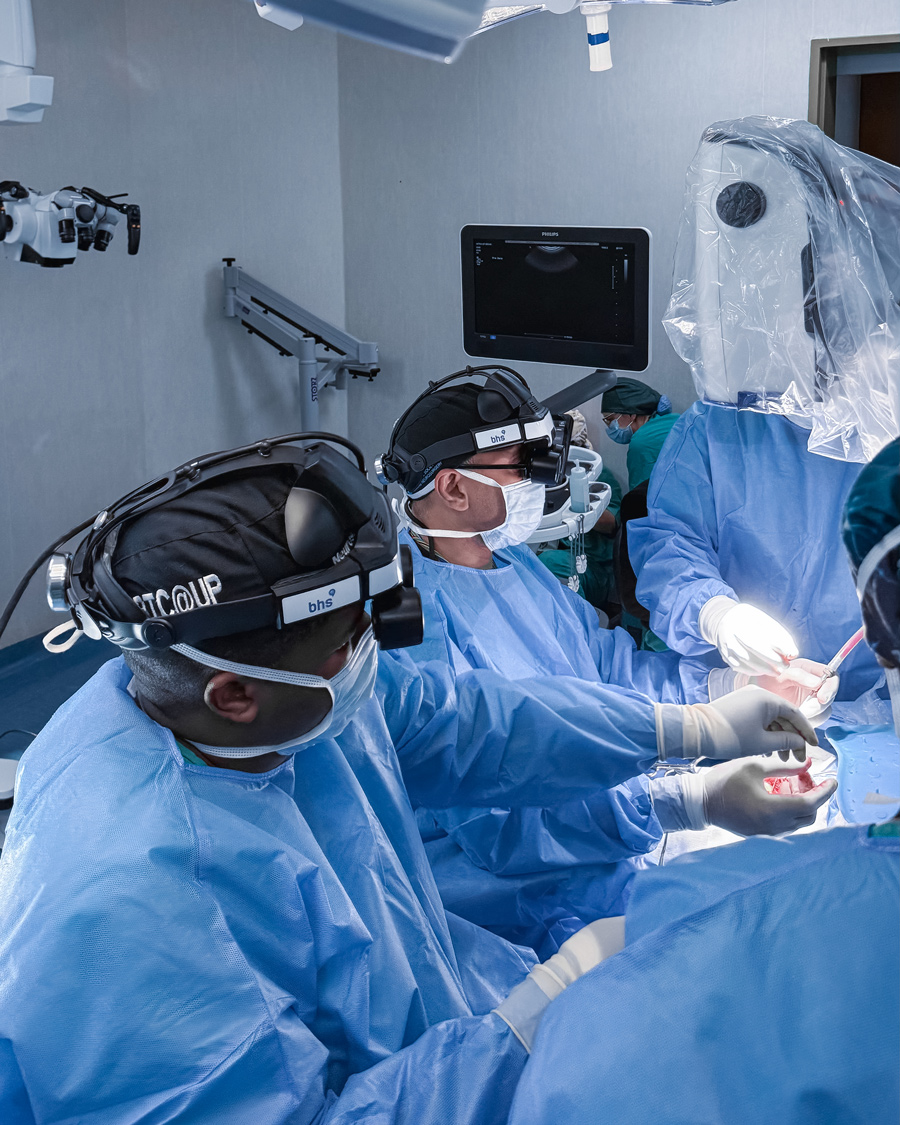
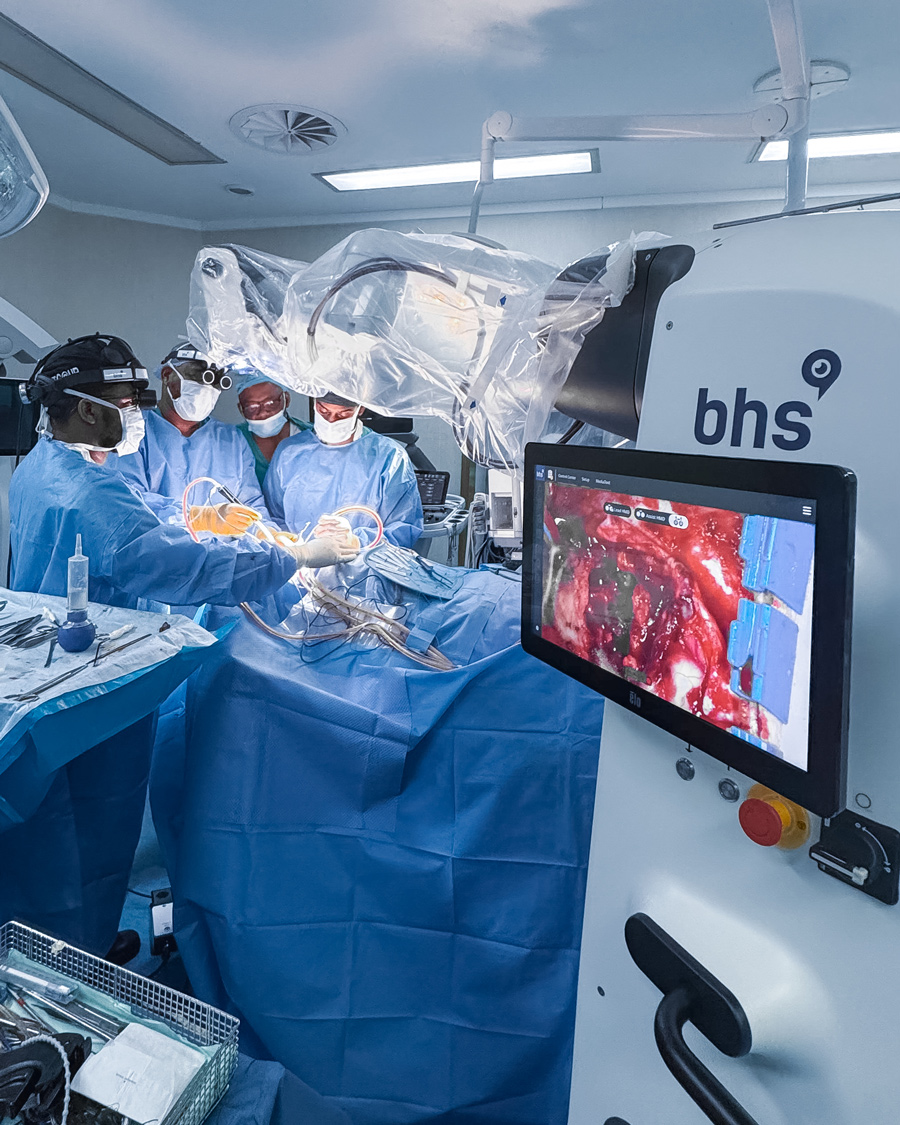
Prof. Mashudu Tshifularo, Head of Ear, Nose and Throat, and Prof. Llewellyn Padayachy, Head of Neurosurgery, together with their teams at the University of Pretoria, are among the first surgeons in South Africa to bring the RoboticScope into surgical practice. Prof. Tshifularo recently performed Africa’s first robotic-assisted tonsillectomy using the RoboticScope with its 3D visualization, while Prof. Padayachy utilized the system in complex cranial tumor resection procedures.


Together, these achievements make Steve Biko Academic Hospital the first hospital in Africa where both the neurosurgery and ENT teams have been trained and are actively using the RoboticScope in clinical procedures.

Early Neurosurgical Procedures with the RoboticScope

Neurosurgeon Prof. Llewellyn Padayachy and his team were the first to perform a surgical procedure with the RoboticScope in South Africa, completing a craniotomy for the resection of a cranial tumor.

Since this initial case, the team has successfully performed additional complex neurosurgical procedures using the system. These early cases demonstrate how robotic visualization can support precise work in demanding cranial surgery.

First Tonsillectomy with the RoboticScope in Africa

Another important milestone followed shortly afterwards.

Prof. Mashudu Tshifularo successfully performed the first robotic-assisted tonsillectomy in Africa using the RoboticScope at Steve Biko Academic Hospital.

The procedure was carried out on a five year old patient and represents an important step in bringing advanced surgical visualization technologies into public healthcare settings.

A Procedure that Requires Surgical Precision

Tonsillectomy is one of the most frequently performed procedures in ENT surgery. The surgery involves removing the tonsils, two small glands located at the back of the throat.


Although it is considered a routine procedure, it requires careful surgical technique. The tonsil region contains important blood vessels, making precise identification of anatomical structures essential to avoid bleeding and other complications.


Tonsillectomy is typically recommended for patients with recurrent throat infections, chronic tonsillitis, breathing difficulties, or sleep related conditions such as obstructive sleep apnea. In pediatric patients, minimizing surgical trauma and supporting faster recovery are important factors.

Robotic Visualization Supporting ENT & Neuro Surgery

The RoboticScope provides surgeons with a high-resolution 3D-view of the surgical field, supporting precise identification of anatomical structures such as veins and arteries.


This level of visualization is particularly valuable in narrow anatomical spaces commonly encountered in ENT procedures.

Successful Procedure and Patient Benefits

The surgery was completed successfully without complications, with the anesthesiology team confirming that the procedure progressed smoothly. Operating on a young child required careful positioning due to the smaller oral cavity. According to Prof. Tshifularo, the technology may simplify the procedure even further in adult patients.

Robotic assisted tonsillectomy offers significant benefits for patients compared to traditional surgery. These include minimal bleeding, less pain, faster healing and quicker recovery. Patients are able to eat sooner after the procedure and return to school or their normal daily activities earlier

Prof. Tshifularo

He also emphasized that improved surgical precision could reduce the risk of complications and shorten hospital stays.


“Reduced bleeding lowers the risk of complications and shortens hospital stays, which ultimately improves the overall recovery experience for both patients and their families.”

Supporting Surgical Training and Education

As an academic hospital, Steve Biko Academic Hospital also benefits from the RoboticScope in surgical education. The system allows the surgical field to be displayed clearly in real time, enabling students, interns and operating room staff to follow every stage of the procedure in detail.


This shared visualization supports training and knowledge transfer within the surgical team and contributes to the development of future specialists.

Collaboration with Local Partners

The introduction of the RoboticScope at Steve Biko Academic Hospital was made possible through our regional distribution partner Marcus Medical. Special thanks go to Jay Pillay from Marcus Medical for his outstanding support since the beginning of the collaboration and during the procedure at Steve Biko Academic Hospital.

Expanding Access to Advanced Surgical Visualization

The early clinical experience at Steve Biko Academic Hospital shows how advanced robotic visualization can support surgeons across different specialties. From ENT procedures such as tonsillectomy to neurosurgical surgeries like tumor resections, precise visualization plays a key role in complex surgical environments.


With hospitals such as Steve Biko Academic Hospital adopting robotic visualization systems like the RoboticScope, new opportunities are emerging to further improve surgical workflows, patient outcomes and surgical education across the region.


More details about the case were also published in the Gauteng Department of Health news bulletin: https://publuu.com/flip-book/965747/2383097